A Satirical Analysis of the Sunshine State’s Electoral Wild West
The Good, The Bad, and The Perma-Candidate
BOCA RATON, FL — In a stunning display of democratic accessibility, South Florida has once again proven that literally anyone with a pulse and a checkbook can run for office. Sources confirm that this “feature, not a bug” of vibrant democracy comes with the minor side effect of turning every election into a carnival of political hopefuls and pretenders who make reality TV contestants look dignified.
Democracy: Now With 300% More Chaos!
While other states cling to their archaic “quality control” systems—like those elitist blue states with their fancy pre-primary conventions and impossible petitioning hurdles—Florida boldly embraces the Founding Fathers’ true vision: complete and utter electoral pandemonium.
“Why limit democracy to just qualified candidates when you can have ALL the candidates?” asked local political observer Chuck Democracy (not his real name, which is actually Perennial Candidate #47). “It’s like a clearance sale at the democracy store—everything must go!”
Meet Florida’s Finest: The Perma-Candidate Hall of Fame
Florida’s open system has produced a diverse ecosystem of political wildlife, including:
The LinkedIn Profile Builder: These candidates don’t actually want to win—they just need something impressive for their bio. One current House member reportedly started running just to promote her husband’s law firm, which honestly explains a lot about Congress.
The Earn-Media Chaser: These political influencers threaten to run with all the commitment of someone threatening to start a diet on Monday. Their supporters promote their “pending candidacy” with the enthusiasm of sports fans cheering for a team that doesn’t exist.
The Political Welfare Recipient (PWR): The crown jewel of Florida’s system—candidates who have mastered the art of losing so efficiently they’ve turned it into a sustainable lifestyle. Through what experts call “questionable campaign accounting tactics,” these electoral entrepreneurs have discovered that running for office is surprisingly profitable when you have no intention of actually serving.
Case Study: The Ultimate Underachiever South Florida recently produced a candidate so spectacularly unsuccessful that he made political history by downgrading a Republican district from “unlikely” to “impossible” to win—just by winning the primary. The Cook Political Report, known for their diplomatic election handicapping, essentially said, “This guy is so bad at campaigning that his victory is actually a loss for his own party.”
This political virtuoso spent a whopping $65,000 to win his primary, compared to the $2.4 million average needed to win a House seat. It’s like showing up to a Formula 1 race with a tricycle and bragging about your fuel efficiency.
The Harold Stassen Memorial Award Goes To…
One Florida perma-candidate has achieved the impressive feat of losing 10 races since 1998, putting him in contention for the Harold Stassen Memorial Award for Outstanding Achievement in Electoral Futility. Stassen, the GOAT of losing (15 losses from 1944-1992), must be looking down from political heaven with something resembling pride.
The Other States: Boring and Effective
Meanwhile, those party-pooper states like Connecticut, Colorado, Minnesota, New Mexico, New York, North Dakota, and Utah continue their “archaic” practice of holding pre-primary conventions. These killjoys somehow manage to keep their contested primary rates around 4.5%, while Florida’s pure democracy delivers a robust 50-68% contest rate.
“It’s almost like they want their elections to be… organized or something, ” complained one Florida election observer while dodging campaign flyers from 17 different candidates for dog catcher, and a dozen invitations to bars for $25 campaign fundraisers.
The True Cost of Pure Democracy
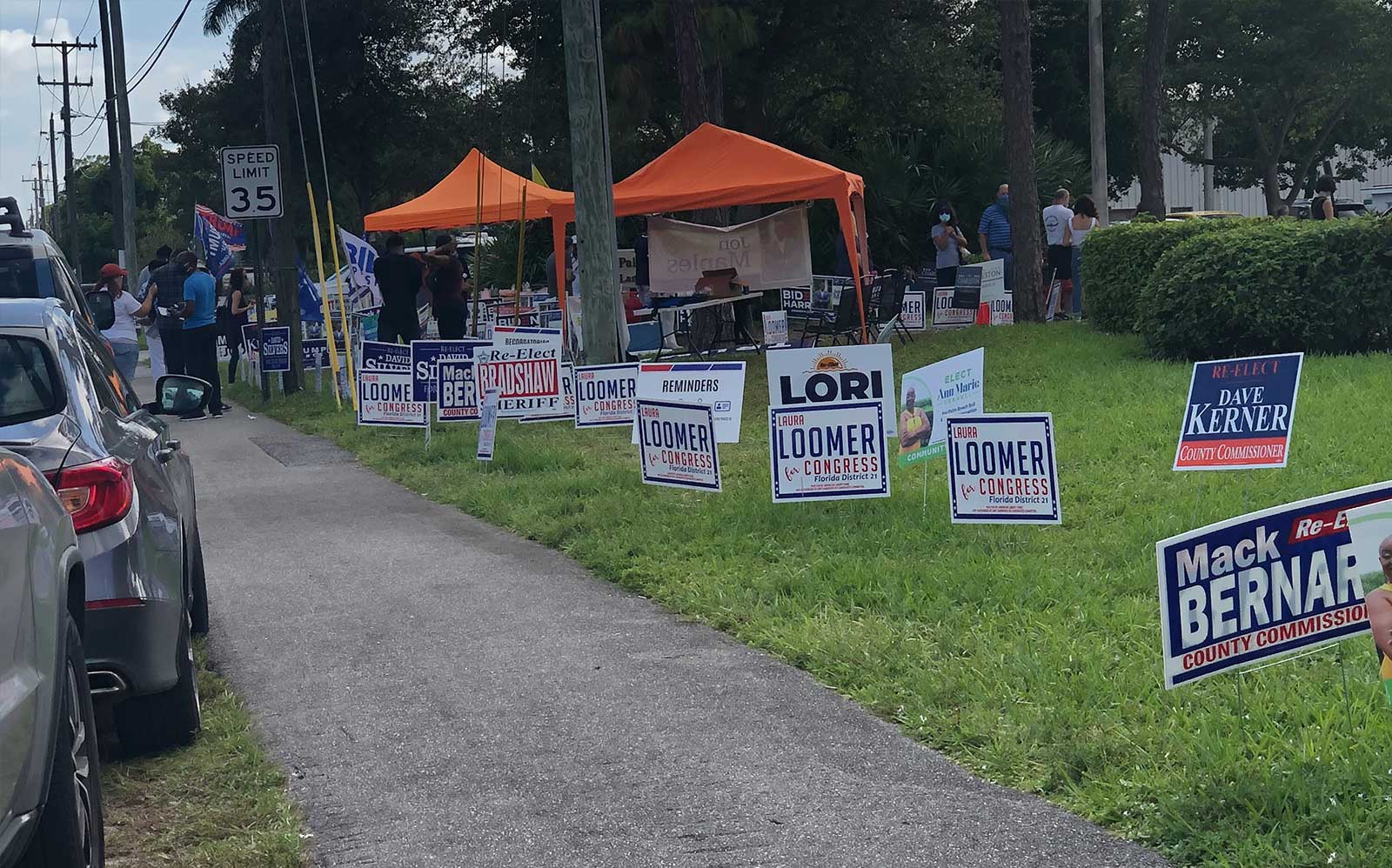
Florida’s system produces an average of 3.68 candidates per House district, creating what political scientists call “voter choice paralysis” —the condition where citizens become so overwhelmed by options they just vote for whoever has the most yard signs–the bigger the better.
The perma-candidates particularly excel at what experts term “attention scatter-bombing,” where voters are subjected to so much campaign communication they develop a Pavlovian response to mailboxes and begin twitching at the sight of political mailers.
The Bottom Line
Florida has successfully created a system where running for office requires either the qualifications to actually serve OR the ability to write a check to the Secretary of State. It’s democratic equality at its finest—equally accessible to both future statesmen and professional campaign fund recyclers.
As one seasoned Florida political operative noted, “Running a credible federal campaign is like starting a mid-sized business in a competitive market. The difference is that failed businesses usually don’t come back every two years asking for more money.”
But hey, at least Florida keeps things interesting. Where else can you find a political system that simultaneously embodies the Founding Fathers’ democratic ideals and a three-ring circus?
After all, why have boring, competent governance when you can have democracy that’s more entertaining than a reality show?
The author wishes to note that any resemblance to actual Florida politicians, living or perpetually campaigning, is purely intentional and probably grounds for their next campaign fundraising email.